•  
Vatican’s Ecological Project In The Pope’s Gardens in Castel Gandolfo

Vatican’s Ecological Project In The Pope’s Gardens in Castel Gandolfo

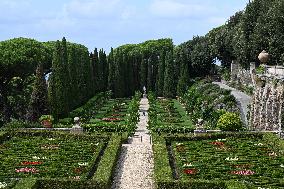
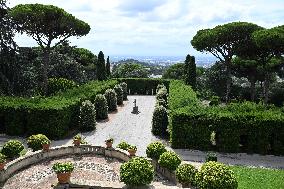
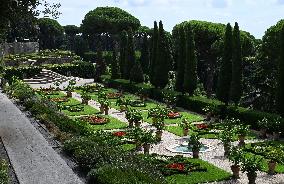
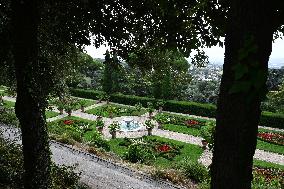
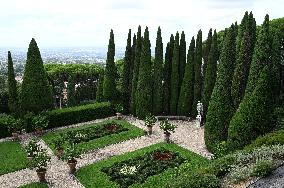
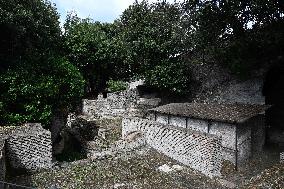
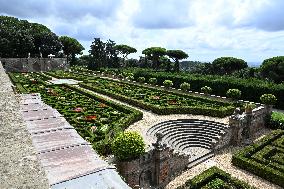
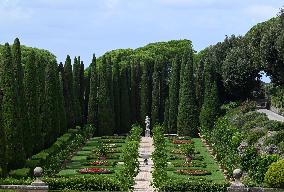
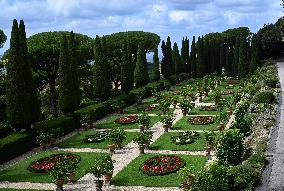
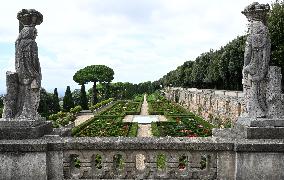
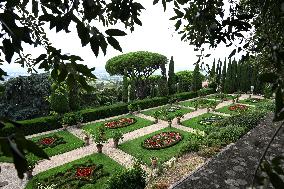
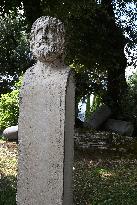
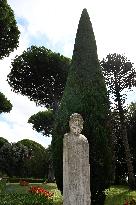
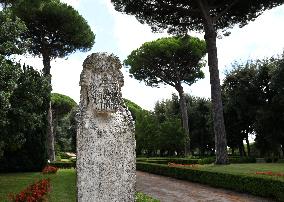
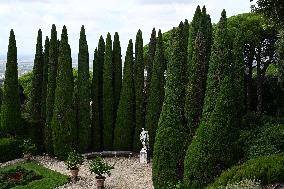
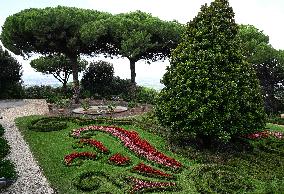
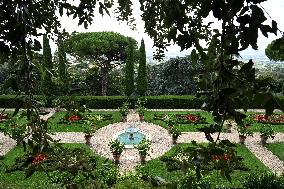
View of the Gardens of the Pontifical Villas located within the papal estate at Castel Gandolfo, near Rome, Italy on September 2, 2025, ahead of Pope Leo XIV's inauguration of the ‘Borgo Laudato Si' Project. Located on the area of the Pontifical villa, gardens and farms of Castel Gandolfo, the ‘Borgo Laudato Si' offers a richly biodiverse environment (with more than 3,000 plants from 300 species), providing visitors with an immersive experience in natural beauty. Borgo Laudato Si’ includes 55 hectares of extraterritorial area, divided into 35 hectares of magnificent gardens and 20 hectares of agricultural and farming land, greenhouses and service buildings that the Borgo is committed to preserving and developing with loving care, by also adding to the investment on education the essential commitment to foster the culture of care. Regarding the gardens area, the Borgo is entrusted with their preservation, maintenance, care, and at the same time development, by also applying new techniques and technological inn

  •  
Vatican’s Ecological Project In The Pope’s Gardens in Castel Gandolfo

Vatican’s Ecological Project In The Pope’s Gardens in Castel Gandolfo

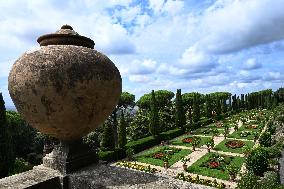
View of the Gardens of the Pontifical Villas located within the papal estate at Castel Gandolfo, near Rome, Italy on September 2, 2025, ahead of Pope Leo XIV's inauguration of the ‘Borgo Laudato Si' Project. Located on the area of the Pontifical villa, gardens and farms of Castel Gandolfo, the ‘Borgo Laudato Si' offers a richly biodiverse environment (with more than 3,000 plants from 300 species), providing visitors with an immersive experience in natural beauty. Borgo Laudato Si’ includes 55 hectares of extraterritorial area, divided into 35 hectares of magnificent gardens and 20 hectares of agricultural and farming land, greenhouses and service buildings that the Borgo is committed to preserving and developing with loving care, by also adding to the investment on education the essential commitment to foster the culture of care. Regarding the gardens area, the Borgo is entrusted with their preservation, maintenance, care, and at the same time development, by also applying new techniques and technological inn

  •  
Vatican’s Ecological Project In The Pope’s Gardens in Castel Gandolfo

Vatican’s Ecological Project In The Pope’s Gardens in Castel Gandolfo

View of the Gardens of the Pontifical Villas located within the papal estate at Castel Gandolfo, near Rome, Italy on September 2, 2025, ahead of Pope Leo XIV's inauguration of the ‘Borgo Laudato Si' Project. Located on the area of the Pontifical villa, gardens and farms of Castel Gandolfo, the ‘Borgo Laudato Si' offers a richly biodiverse environment (with more than 3,000 plants from 300 species), providing visitors with an immersive experience in natural beauty. Borgo Laudato Si’ includes 55 hectares of extraterritorial area, divided into 35 hectares of magnificent gardens and 20 hectares of agricultural and farming land, greenhouses and service buildings that the Borgo is committed to preserving and developing with loving care, by also adding to the investment on education the essential commitment to foster the culture of care. Regarding the gardens area, the Borgo is entrusted with their preservation, maintenance, care, and at the same time development, by also applying new techniques and technological inn

  •  
Vatican’s Ecological Project In The Pope’s Gardens in Castel Gandolfo

Vatican’s Ecological Project In The Pope’s Gardens in Castel Gandolfo

View of the Gardens of the Pontifical Villas located within the papal estate at Castel Gandolfo, near Rome, Italy on September 2, 2025, ahead of Pope Leo XIV's inauguration of the ‘Borgo Laudato Si' Project. Located on the area of the Pontifical villa, gardens and farms of Castel Gandolfo, the ‘Borgo Laudato Si' offers a richly biodiverse environment (with more than 3,000 plants from 300 species), providing visitors with an immersive experience in natural beauty. Borgo Laudato Si’ includes 55 hectares of extraterritorial area, divided into 35 hectares of magnificent gardens and 20 hectares of agricultural and farming land, greenhouses and service buildings that the Borgo is committed to preserving and developing with loving care, by also adding to the investment on education the essential commitment to foster the culture of care. Regarding the gardens area, the Borgo is entrusted with their preservation, maintenance, care, and at the same time development, by also applying new techniques and technological inn

  •  
Vatican’s Ecological Project In The Pope’s Gardens in Castel Gandolfo

Vatican’s Ecological Project In The Pope’s Gardens in Castel Gandolfo

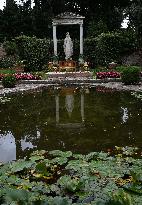
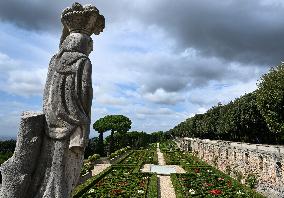
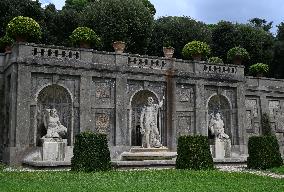
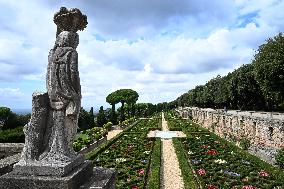
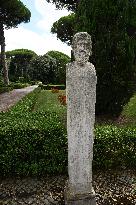
View of the statue of the Madonna in the gardens of the Pontifical Villas located within the papal estate at Castel Gandolfo, near Rome, Italy on September 2, 2025, ahead of Pope Leo XIV's inauguration of the ‘Borgo Laudato Si' Project. Located on the area of the Pontifical villa, gardens and farms of Castel Gandolfo, the ‘Borgo Laudato Si' offers a richly biodiverse environment (with more than 3,000 plants from 300 species), providing visitors with an immersive experience in natural beauty. Borgo Laudato Si’ includes 55 hectares of extraterritorial area, divided into 35 hectares of magnificent gardens and 20 hectares of agricultural and farming land, greenhouses and service buildings that the Borgo is committed to preserving and developing with loving care, by also adding to the investment on education the essential commitment to foster the culture of care. Regarding the gardens area, the Borgo is entrusted with their preservation, maintenance, care, and at the same time development, by also applying new tec

  •  
Vatican’s Ecological Project In The Pope’s Gardens in Castel Gandolfo

Vatican’s Ecological Project In The Pope’s Gardens in Castel Gandolfo

View of the Gardens of the Pontifical Villas located within the papal estate at Castel Gandolfo, near Rome, Italy on September 2, 2025, ahead of Pope Leo XIV's inauguration of the ‘Borgo Laudato Si' Project. Located on the area of the Pontifical villa, gardens and farms of Castel Gandolfo, the ‘Borgo Laudato Si' offers a richly biodiverse environment (with more than 3,000 plants from 300 species), providing visitors with an immersive experience in natural beauty. Borgo Laudato Si’ includes 55 hectares of extraterritorial area, divided into 35 hectares of magnificent gardens and 20 hectares of agricultural and farming land, greenhouses and service buildings that the Borgo is committed to preserving and developing with loving care, by also adding to the investment on education the essential commitment to foster the culture of care. Regarding the gardens area, the Borgo is entrusted with their preservation, maintenance, care, and at the same time development, by also applying new techniques and technological inn

  •  
Vatican’s Ecological Project In The Pope’s Gardens in Castel Gandolfo

Vatican’s Ecological Project In The Pope’s Gardens in Castel Gandolfo

View of the Gardens of the Pontifical Villas located within the papal estate at Castel Gandolfo, near Rome, Italy on September 2, 2025, ahead of Pope Leo XIV's inauguration of the ‘Borgo Laudato Si' Project. Located on the area of the Pontifical villa, gardens and farms of Castel Gandolfo, the ‘Borgo Laudato Si' offers a richly biodiverse environment (with more than 3,000 plants from 300 species), providing visitors with an immersive experience in natural beauty. Borgo Laudato Si’ includes 55 hectares of extraterritorial area, divided into 35 hectares of magnificent gardens and 20 hectares of agricultural and farming land, greenhouses and service buildings that the Borgo is committed to preserving and developing with loving care, by also adding to the investment on education the essential commitment to foster the culture of care. Regarding the gardens area, the Borgo is entrusted with their preservation, maintenance, care, and at the same time development, by also applying new techniques and technological inn

  •  
Vatican’s Ecological Project In The Pope’s Gardens in Castel Gandolfo

Vatican’s Ecological Project In The Pope’s Gardens in Castel Gandolfo

View of the Gardens of the Pontifical Villas located within the papal estate at Castel Gandolfo, near Rome, Italy on September 2, 2025, ahead of Pope Leo XIV's inauguration of the ‘Borgo Laudato Si' Project. Located on the area of the Pontifical villa, gardens and farms of Castel Gandolfo, the ‘Borgo Laudato Si' offers a richly biodiverse environment (with more than 3,000 plants from 300 species), providing visitors with an immersive experience in natural beauty. Borgo Laudato Si’ includes 55 hectares of extraterritorial area, divided into 35 hectares of magnificent gardens and 20 hectares of agricultural and farming land, greenhouses and service buildings that the Borgo is committed to preserving and developing with loving care, by also adding to the investment on education the essential commitment to foster the culture of care. Regarding the gardens area, the Borgo is entrusted with their preservation, maintenance, care, and at the same time development, by also applying new techniques and technological inn

  •  
Vatican’s Ecological Project In The Pope’s Gardens in Castel Gandolfo

Vatican’s Ecological Project In The Pope’s Gardens in Castel Gandolfo

View of the statue of the Madonna in the gardens of the Pontifical Villas located within the papal estate at Castel Gandolfo, near Rome, Italy on September 2, 2025, ahead of Pope Leo XIV's inauguration of the ‘Borgo Laudato Si' Project. Located on the area of the Pontifical villa, gardens and farms of Castel Gandolfo, the ‘Borgo Laudato Si' offers a richly biodiverse environment (with more than 3,000 plants from 300 species), providing visitors with an immersive experience in natural beauty. Borgo Laudato Si’ includes 55 hectares of extraterritorial area, divided into 35 hectares of magnificent gardens and 20 hectares of agricultural and farming land, greenhouses and service buildings that the Borgo is committed to preserving and developing with loving care, by also adding to the investment on education the essential commitment to foster the culture of care. Regarding the gardens area, the Borgo is entrusted with their preservation, maintenance, care, and at the same time development, by also applying new tec

  •  
Vatican’s Ecological Project In The Pope’s Gardens in Castel Gandolfo

Vatican’s Ecological Project In The Pope’s Gardens in Castel Gandolfo

View of the Gardens of the Pontifical Villas located within the papal estate at Castel Gandolfo, near Rome, Italy on September 2, 2025, ahead of Pope Leo XIV's inauguration of the ‘Borgo Laudato Si' Project. Located on the area of the Pontifical villa, gardens and farms of Castel Gandolfo, the ‘Borgo Laudato Si' offers a richly biodiverse environment (with more than 3,000 plants from 300 species), providing visitors with an immersive experience in natural beauty. Borgo Laudato Si’ includes 55 hectares of extraterritorial area, divided into 35 hectares of magnificent gardens and 20 hectares of agricultural and farming land, greenhouses and service buildings that the Borgo is committed to preserving and developing with loving care, by also adding to the investment on education the essential commitment to foster the culture of care. Regarding the gardens area, the Borgo is entrusted with their preservation, maintenance, care, and at the same time development, by also applying new techniques and technological inn

  •  
Vatican’s Ecological Project In The Pope’s Gardens in Castel Gandolfo

Vatican’s Ecological Project In The Pope’s Gardens in Castel Gandolfo

View of the statue of the Madonna in the gardens of the Pontifical Villas located within the papal estate at Castel Gandolfo, near Rome, Italy on September 2, 2025, ahead of Pope Leo XIV's inauguration of the ‘Borgo Laudato Si' Project. Located on the area of the Pontifical villa, gardens and farms of Castel Gandolfo, the ‘Borgo Laudato Si' offers a richly biodiverse environment (with more than 3,000 plants from 300 species), providing visitors with an immersive experience in natural beauty. Borgo Laudato Si’ includes 55 hectares of extraterritorial area, divided into 35 hectares of magnificent gardens and 20 hectares of agricultural and farming land, greenhouses and service buildings that the Borgo is committed to preserving and developing with loving care, by also adding to the investment on education the essential commitment to foster the culture of care. Regarding the gardens area, the Borgo is entrusted with their preservation, maintenance, care, and at the same time development, by also applying new tec

  •  
Vatican’s Ecological Project In The Pope’s Gardens in Castel Gandolfo

Vatican’s Ecological Project In The Pope’s Gardens in Castel Gandolfo

View of the Gardens of the Pontifical Villas located within the papal estate at Castel Gandolfo, near Rome, Italy on September 2, 2025, ahead of Pope Leo XIV's inauguration of the ‘Borgo Laudato Si' Project. Located on the area of the Pontifical villa, gardens and farms of Castel Gandolfo, the ‘Borgo Laudato Si' offers a richly biodiverse environment (with more than 3,000 plants from 300 species), providing visitors with an immersive experience in natural beauty. Borgo Laudato Si’ includes 55 hectares of extraterritorial area, divided into 35 hectares of magnificent gardens and 20 hectares of agricultural and farming land, greenhouses and service buildings that the Borgo is committed to preserving and developing with loving care, by also adding to the investment on education the essential commitment to foster the culture of care. Regarding the gardens area, the Borgo is entrusted with their preservation, maintenance, care, and at the same time development, by also applying new techniques and technological inn

  •  
Vatican’s Ecological Project In The Pope’s Gardens in Castel Gandolfo

Vatican’s Ecological Project In The Pope’s Gardens in Castel Gandolfo

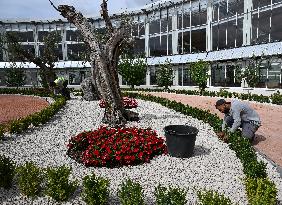
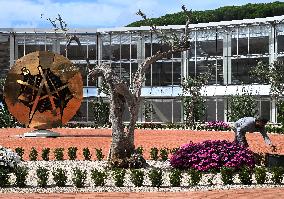
View of the greenhouse at the Advanced Training Centre', a new Vatican-run ecological training centre located within the papal estate at Castel Gandolfo, near Rome, Italy on September 2, 2025, ahead of Pope Leo XIV's inauguration. Located on the area of the Pontifical villa, gardens and farms of Castel Gandolfo, the ‘Borgo Laudato Si' offers a richly biodiverse environment (with more than 3,000 plants from 300 species), providing visitors with an immersive experience in natural beauty. Borgo Laudato Si’ includes 55 hectares of extraterritorial area, divided into 35 hectares of magnificent gardens and 20 hectares of agricultural and farming land, greenhouses and service buildings that the Borgo is committed to preserving and developing with loving care, by also adding to the investment on education the essential commitment to foster the culture of care. Regarding the gardens area, the Borgo is entrusted with their preservation, maintenance, care, and at the same time development, by also applying new technique

  •  
Vatican’s Ecological Project In The Pope’s Gardens in Castel Gandolfo

Vatican’s Ecological Project In The Pope’s Gardens in Castel Gandolfo

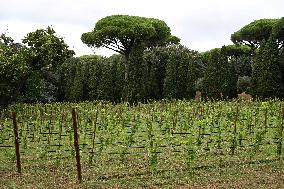
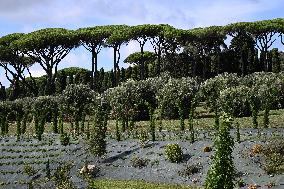
View of the vineyards located within the papal estate at Castel Gandolfo, near Rome, Italy on September 2, 2025, ahead of Pope Leo XIV's inauguration of the ‘Borgo Laudato Si' Project. Located on the area of the Pontifical villa, gardens and farms of Castel Gandolfo, the ‘Borgo Laudato Si' offers a richly biodiverse environment (with more than 3,000 plants from 300 species), providing visitors with an immersive experience in natural beauty. Borgo Laudato Si’ includes 55 hectares of extraterritorial area, divided into 35 hectares of magnificent gardens and 20 hectares of agricultural and farming land, greenhouses and service buildings that the Borgo is committed to preserving and developing with loving care, by also adding to the investment on education the essential commitment to foster the culture of care. Regarding the gardens area, the Borgo is entrusted with their preservation, maintenance, care, and at the same time development, by also applying new techniques and technological innovations to better prot

  •  
Vatican’s Ecological Project In The Pope’s Gardens in Castel Gandolfo

Vatican’s Ecological Project In The Pope’s Gardens in Castel Gandolfo

View of the greenhouse at the Advanced Training Centre', a new Vatican-run ecological training centre located within the papal estate at Castel Gandolfo, near Rome, Italy on September 2, 2025, ahead of Pope Leo XIV's inauguration. Located on the area of the Pontifical villa, gardens and farms of Castel Gandolfo, the ‘Borgo Laudato Si' offers a richly biodiverse environment (with more than 3,000 plants from 300 species), providing visitors with an immersive experience in natural beauty. Borgo Laudato Si’ includes 55 hectares of extraterritorial area, divided into 35 hectares of magnificent gardens and 20 hectares of agricultural and farming land, greenhouses and service buildings that the Borgo is committed to preserving and developing with loving care, by also adding to the investment on education the essential commitment to foster the culture of care. Regarding the gardens area, the Borgo is entrusted with their preservation, maintenance, care, and at the same time development, by also applying new technique

  •  
Vatican’s Ecological Project In The Pope’s Gardens in Castel Gandolfo

Vatican’s Ecological Project In The Pope’s Gardens in Castel Gandolfo

View of the greenhouse at the Advanced Training Centre', a new Vatican-run ecological training centre located within the papal estate at Castel Gandolfo, near Rome, Italy on September 2, 2025, ahead of Pope Leo XIV's inauguration. Located on the area of the Pontifical villa, gardens and farms of Castel Gandolfo, the ‘Borgo Laudato Si' offers a richly biodiverse environment (with more than 3,000 plants from 300 species), providing visitors with an immersive experience in natural beauty. Borgo Laudato Si’ includes 55 hectares of extraterritorial area, divided into 35 hectares of magnificent gardens and 20 hectares of agricultural and farming land, greenhouses and service buildings that the Borgo is committed to preserving and developing with loving care, by also adding to the investment on education the essential commitment to foster the culture of care. Regarding the gardens area, the Borgo is entrusted with their preservation, maintenance, care, and at the same time development, by also applying new technique

  •  
Vatican’s Ecological Project In The Pope’s Gardens in Castel Gandolfo

Vatican’s Ecological Project In The Pope’s Gardens in Castel Gandolfo

View of the greenhouse at the Advanced Training Centre', a new Vatican-run ecological training centre located within the papal estate at Castel Gandolfo, near Rome, Italy on September 2, 2025, ahead of Pope Leo XIV's inauguration. Located on the area of the Pontifical villa, gardens and farms of Castel Gandolfo, the ‘Borgo Laudato Si' offers a richly biodiverse environment (with more than 3,000 plants from 300 species), providing visitors with an immersive experience in natural beauty. Borgo Laudato Si’ includes 55 hectares of extraterritorial area, divided into 35 hectares of magnificent gardens and 20 hectares of agricultural and farming land, greenhouses and service buildings that the Borgo is committed to preserving and developing with loving care, by also adding to the investment on education the essential commitment to foster the culture of care. Regarding the gardens area, the Borgo is entrusted with their preservation, maintenance, care, and at the same time development, by also applying new technique

  •  
Vatican’s Ecological Project In The Pope’s Gardens in Castel Gandolfo

Vatican’s Ecological Project In The Pope’s Gardens in Castel Gandolfo

View of the statue of the Madonna in the gardens of the Pontifical Villas located within the papal estate at Castel Gandolfo, near Rome, Italy on September 2, 2025, ahead of Pope Leo XIV's inauguration of the ‘Borgo Laudato Si' Project. Located on the area of the Pontifical villa, gardens and farms of Castel Gandolfo, the ‘Borgo Laudato Si' offers a richly biodiverse environment (with more than 3,000 plants from 300 species), providing visitors with an immersive experience in natural beauty. Borgo Laudato Si’ includes 55 hectares of extraterritorial area, divided into 35 hectares of magnificent gardens and 20 hectares of agricultural and farming land, greenhouses and service buildings that the Borgo is committed to preserving and developing with loving care, by also adding to the investment on education the essential commitment to foster the culture of care. Regarding the gardens area, the Borgo is entrusted with their preservation, maintenance, care, and at the same time development, by also applying new tec

  •  
Vatican’s Ecological Project In The Pope’s Gardens in Castel Gandolfo

Vatican’s Ecological Project In The Pope’s Gardens in Castel Gandolfo

View of the Gardens of the Pontifical Villas located within the papal estate at Castel Gandolfo, near Rome, Italy on September 2, 2025, ahead of Pope Leo XIV's inauguration of the ‘Borgo Laudato Si' Project. Located on the area of the Pontifical villa, gardens and farms of Castel Gandolfo, the ‘Borgo Laudato Si' offers a richly biodiverse environment (with more than 3,000 plants from 300 species), providing visitors with an immersive experience in natural beauty. Borgo Laudato Si’ includes 55 hectares of extraterritorial area, divided into 35 hectares of magnificent gardens and 20 hectares of agricultural and farming land, greenhouses and service buildings that the Borgo is committed to preserving and developing with loving care, by also adding to the investment on education the essential commitment to foster the culture of care. Regarding the gardens area, the Borgo is entrusted with their preservation, maintenance, care, and at the same time development, by also applying new techniques and technological inn

  •  
Vatican’s Ecological Project In The Pope’s Gardens in Castel Gandolfo

Vatican’s Ecological Project In The Pope’s Gardens in Castel Gandolfo

View of the greenhouse at the Advanced Training Centre', a new Vatican-run ecological training centre located within the papal estate at Castel Gandolfo, near Rome, Italy on September 2, 2025, ahead of Pope Leo XIV's inauguration. Located on the area of the Pontifical villa, gardens and farms of Castel Gandolfo, the ‘Borgo Laudato Si' offers a richly biodiverse environment (with more than 3,000 plants from 300 species), providing visitors with an immersive experience in natural beauty. Borgo Laudato Si’ includes 55 hectares of extraterritorial area, divided into 35 hectares of magnificent gardens and 20 hectares of agricultural and farming land, greenhouses and service buildings that the Borgo is committed to preserving and developing with loving care, by also adding to the investment on education the essential commitment to foster the culture of care. Regarding the gardens area, the Borgo is entrusted with their preservation, maintenance, care, and at the same time development, by also applying new technique

  •  
Vatican’s Ecological Project In The Pope’s Gardens in Castel Gandolfo

Vatican’s Ecological Project In The Pope’s Gardens in Castel Gandolfo

View of the Gardens of the Pontifical Villas located within the papal estate at Castel Gandolfo, near Rome, Italy on September 2, 2025, ahead of Pope Leo XIV's inauguration of the ‘Borgo Laudato Si' Project. Located on the area of the Pontifical villa, gardens and farms of Castel Gandolfo, the ‘Borgo Laudato Si' offers a richly biodiverse environment (with more than 3,000 plants from 300 species), providing visitors with an immersive experience in natural beauty. Borgo Laudato Si’ includes 55 hectares of extraterritorial area, divided into 35 hectares of magnificent gardens and 20 hectares of agricultural and farming land, greenhouses and service buildings that the Borgo is committed to preserving and developing with loving care, by also adding to the investment on education the essential commitment to foster the culture of care. Regarding the gardens area, the Borgo is entrusted with their preservation, maintenance, care, and at the same time development, by also applying new techniques and technological inn

  •  
Vatican’s Ecological Project In The Pope’s Gardens in Castel Gandolfo

Vatican’s Ecological Project In The Pope’s Gardens in Castel Gandolfo

View of the Gardens of the Pontifical Villas located within the papal estate at Castel Gandolfo, near Rome, Italy on September 2, 2025, ahead of Pope Leo XIV's inauguration of the ‘Borgo Laudato Si' Project. Located on the area of the Pontifical villa, gardens and farms of Castel Gandolfo, the ‘Borgo Laudato Si' offers a richly biodiverse environment (with more than 3,000 plants from 300 species), providing visitors with an immersive experience in natural beauty. Borgo Laudato Si’ includes 55 hectares of extraterritorial area, divided into 35 hectares of magnificent gardens and 20 hectares of agricultural and farming land, greenhouses and service buildings that the Borgo is committed to preserving and developing with loving care, by also adding to the investment on education the essential commitment to foster the culture of care. Regarding the gardens area, the Borgo is entrusted with their preservation, maintenance, care, and at the same time development, by also applying new techniques and technological inn

  •  
Vatican’s Ecological Project In The Pope’s Gardens in Castel Gandolfo

Vatican’s Ecological Project In The Pope’s Gardens in Castel Gandolfo

View of the Gardens of the Pontifical Villas located within the papal estate at Castel Gandolfo, near Rome, Italy on September 2, 2025, ahead of Pope Leo XIV's inauguration of the ‘Borgo Laudato Si' Project. Located on the area of the Pontifical villa, gardens and farms of Castel Gandolfo, the ‘Borgo Laudato Si' offers a richly biodiverse environment (with more than 3,000 plants from 300 species), providing visitors with an immersive experience in natural beauty. Borgo Laudato Si’ includes 55 hectares of extraterritorial area, divided into 35 hectares of magnificent gardens and 20 hectares of agricultural and farming land, greenhouses and service buildings that the Borgo is committed to preserving and developing with loving care, by also adding to the investment on education the essential commitment to foster the culture of care. Regarding the gardens area, the Borgo is entrusted with their preservation, maintenance, care, and at the same time development, by also applying new techniques and technological inn

  •  
Vatican’s Ecological Project In The Pope’s Gardens in Castel Gandolfo

Vatican’s Ecological Project In The Pope’s Gardens in Castel Gandolfo

View of the Gardens of the Pontifical Villas located within the papal estate at Castel Gandolfo, near Rome, Italy on September 2, 2025, ahead of Pope Leo XIV's inauguration of the ‘Borgo Laudato Si' Project. Located on the area of the Pontifical villa, gardens and farms of Castel Gandolfo, the ‘Borgo Laudato Si' offers a richly biodiverse environment (with more than 3,000 plants from 300 species), providing visitors with an immersive experience in natural beauty. Borgo Laudato Si’ includes 55 hectares of extraterritorial area, divided into 35 hectares of magnificent gardens and 20 hectares of agricultural and farming land, greenhouses and service buildings that the Borgo is committed to preserving and developing with loving care, by also adding to the investment on education the essential commitment to foster the culture of care. Regarding the gardens area, the Borgo is entrusted with their preservation, maintenance, care, and at the same time development, by also applying new techniques and technological inn

  •  
Vatican’s Ecological Project In The Pope’s Gardens in Castel Gandolfo

Vatican’s Ecological Project In The Pope’s Gardens in Castel Gandolfo

View of the Gardens of the Pontifical Villas located within the papal estate at Castel Gandolfo, near Rome, Italy on September 2, 2025, ahead of Pope Leo XIV's inauguration of the ‘Borgo Laudato Si' Project. Located on the area of the Pontifical villa, gardens and farms of Castel Gandolfo, the ‘Borgo Laudato Si' offers a richly biodiverse environment (with more than 3,000 plants from 300 species), providing visitors with an immersive experience in natural beauty. Borgo Laudato Si’ includes 55 hectares of extraterritorial area, divided into 35 hectares of magnificent gardens and 20 hectares of agricultural and farming land, greenhouses and service buildings that the Borgo is committed to preserving and developing with loving care, by also adding to the investment on education the essential commitment to foster the culture of care. Regarding the gardens area, the Borgo is entrusted with their preservation, maintenance, care, and at the same time development, by also applying new techniques and technological inn

  •  
Vatican’s Ecological Project In The Pope’s Gardens in Castel Gandolfo

Vatican’s Ecological Project In The Pope’s Gardens in Castel Gandolfo

View of the Gardens of the Pontifical Villas located within the papal estate at Castel Gandolfo, near Rome, Italy on September 2, 2025, ahead of Pope Leo XIV's inauguration of the ‘Borgo Laudato Si' Project. Located on the area of the Pontifical villa, gardens and farms of Castel Gandolfo, the ‘Borgo Laudato Si' offers a richly biodiverse environment (with more than 3,000 plants from 300 species), providing visitors with an immersive experience in natural beauty. Borgo Laudato Si’ includes 55 hectares of extraterritorial area, divided into 35 hectares of magnificent gardens and 20 hectares of agricultural and farming land, greenhouses and service buildings that the Borgo is committed to preserving and developing with loving care, by also adding to the investment on education the essential commitment to foster the culture of care. Regarding the gardens area, the Borgo is entrusted with their preservation, maintenance, care, and at the same time development, by also applying new techniques and technological inn

  •  
Vatican’s Ecological Project In The Pope’s Gardens in Castel Gandolfo

Vatican’s Ecological Project In The Pope’s Gardens in Castel Gandolfo

View of the Gardens of the Pontifical Villas located within the papal estate at Castel Gandolfo, near Rome, Italy on September 2, 2025, ahead of Pope Leo XIV's inauguration of the ‘Borgo Laudato Si' Project. Located on the area of the Pontifical villa, gardens and farms of Castel Gandolfo, the ‘Borgo Laudato Si' offers a richly biodiverse environment (with more than 3,000 plants from 300 species), providing visitors with an immersive experience in natural beauty. Borgo Laudato Si’ includes 55 hectares of extraterritorial area, divided into 35 hectares of magnificent gardens and 20 hectares of agricultural and farming land, greenhouses and service buildings that the Borgo is committed to preserving and developing with loving care, by also adding to the investment on education the essential commitment to foster the culture of care. Regarding the gardens area, the Borgo is entrusted with their preservation, maintenance, care, and at the same time development, by also applying new techniques and technological inn

  •  
Vatican’s Ecological Project In The Pope’s Gardens in Castel Gandolfo

Vatican’s Ecological Project In The Pope’s Gardens in Castel Gandolfo

View of the Gardens of the Pontifical Villas located within the papal estate at Castel Gandolfo, near Rome, Italy on September 2, 2025, ahead of Pope Leo XIV's inauguration of the ‘Borgo Laudato Si' Project. Located on the area of the Pontifical villa, gardens and farms of Castel Gandolfo, the ‘Borgo Laudato Si' offers a richly biodiverse environment (with more than 3,000 plants from 300 species), providing visitors with an immersive experience in natural beauty. Borgo Laudato Si’ includes 55 hectares of extraterritorial area, divided into 35 hectares of magnificent gardens and 20 hectares of agricultural and farming land, greenhouses and service buildings that the Borgo is committed to preserving and developing with loving care, by also adding to the investment on education the essential commitment to foster the culture of care. Regarding the gardens area, the Borgo is entrusted with their preservation, maintenance, care, and at the same time development, by also applying new techniques and technological inn

  •  
Vatican’s Ecological Project In The Pope’s Gardens in Castel Gandolfo

Vatican’s Ecological Project In The Pope’s Gardens in Castel Gandolfo

View of the Gardens of the Pontifical Villas located within the papal estate at Castel Gandolfo, near Rome, Italy on September 2, 2025, ahead of Pope Leo XIV's inauguration of the ‘Borgo Laudato Si' Project. Located on the area of the Pontifical villa, gardens and farms of Castel Gandolfo, the ‘Borgo Laudato Si' offers a richly biodiverse environment (with more than 3,000 plants from 300 species), providing visitors with an immersive experience in natural beauty. Borgo Laudato Si’ includes 55 hectares of extraterritorial area, divided into 35 hectares of magnificent gardens and 20 hectares of agricultural and farming land, greenhouses and service buildings that the Borgo is committed to preserving and developing with loving care, by also adding to the investment on education the essential commitment to foster the culture of care. Regarding the gardens area, the Borgo is entrusted with their preservation, maintenance, care, and at the same time development, by also applying new techniques and technological inn

  •  
Vatican’s Ecological Project In The Pope’s Gardens in Castel Gandolfo

Vatican’s Ecological Project In The Pope’s Gardens in Castel Gandolfo

View of the Gardens of the Pontifical Villas located within the papal estate at Castel Gandolfo, near Rome, Italy on September 2, 2025, ahead of Pope Leo XIV's inauguration of the ‘Borgo Laudato Si' Project. Located on the area of the Pontifical villa, gardens and farms of Castel Gandolfo, the ‘Borgo Laudato Si' offers a richly biodiverse environment (with more than 3,000 plants from 300 species), providing visitors with an immersive experience in natural beauty. Borgo Laudato Si’ includes 55 hectares of extraterritorial area, divided into 35 hectares of magnificent gardens and 20 hectares of agricultural and farming land, greenhouses and service buildings that the Borgo is committed to preserving and developing with loving care, by also adding to the investment on education the essential commitment to foster the culture of care. Regarding the gardens area, the Borgo is entrusted with their preservation, maintenance, care, and at the same time development, by also applying new techniques and technological inn

  •  
Vatican’s Ecological Project In The Pope’s Gardens in Castel Gandolfo

Vatican’s Ecological Project In The Pope’s Gardens in Castel Gandolfo

View of the Gardens of the Pontifical Villas located within the papal estate at Castel Gandolfo, near Rome, Italy on September 2, 2025, ahead of Pope Leo XIV's inauguration of the ‘Borgo Laudato Si' Project. Located on the area of the Pontifical villa, gardens and farms of Castel Gandolfo, the ‘Borgo Laudato Si' offers a richly biodiverse environment (with more than 3,000 plants from 300 species), providing visitors with an immersive experience in natural beauty. Borgo Laudato Si’ includes 55 hectares of extraterritorial area, divided into 35 hectares of magnificent gardens and 20 hectares of agricultural and farming land, greenhouses and service buildings that the Borgo is committed to preserving and developing with loving care, by also adding to the investment on education the essential commitment to foster the culture of care. Regarding the gardens area, the Borgo is entrusted with their preservation, maintenance, care, and at the same time development, by also applying new techniques and technological inn

  •  
Vatican’s Ecological Project In The Pope’s Gardens in Castel Gandolfo

Vatican’s Ecological Project In The Pope’s Gardens in Castel Gandolfo

View of the Gardens of the Pontifical Villas located within the papal estate at Castel Gandolfo, near Rome, Italy on September 2, 2025, ahead of Pope Leo XIV's inauguration of the ‘Borgo Laudato Si' Project. Located on the area of the Pontifical villa, gardens and farms of Castel Gandolfo, the ‘Borgo Laudato Si' offers a richly biodiverse environment (with more than 3,000 plants from 300 species), providing visitors with an immersive experience in natural beauty. Borgo Laudato Si’ includes 55 hectares of extraterritorial area, divided into 35 hectares of magnificent gardens and 20 hectares of agricultural and farming land, greenhouses and service buildings that the Borgo is committed to preserving and developing with loving care, by also adding to the investment on education the essential commitment to foster the culture of care. Regarding the gardens area, the Borgo is entrusted with their preservation, maintenance, care, and at the same time development, by also applying new techniques and technological inn

  •  
Vatican’s Ecological Project In The Pope’s Gardens in Castel Gandolfo

Vatican’s Ecological Project In The Pope’s Gardens in Castel Gandolfo

View of the Gardens of the Pontifical Villas located within the papal estate at Castel Gandolfo, near Rome, Italy on September 2, 2025, ahead of Pope Leo XIV's inauguration of the ‘Borgo Laudato Si' Project. Located on the area of the Pontifical villa, gardens and farms of Castel Gandolfo, the ‘Borgo Laudato Si' offers a richly biodiverse environment (with more than 3,000 plants from 300 species), providing visitors with an immersive experience in natural beauty. Borgo Laudato Si’ includes 55 hectares of extraterritorial area, divided into 35 hectares of magnificent gardens and 20 hectares of agricultural and farming land, greenhouses and service buildings that the Borgo is committed to preserving and developing with loving care, by also adding to the investment on education the essential commitment to foster the culture of care. Regarding the gardens area, the Borgo is entrusted with their preservation, maintenance, care, and at the same time development, by also applying new techniques and technological inn

  •  
Vatican’s Ecological Project In The Pope’s Gardens in Castel Gandolfo

Vatican’s Ecological Project In The Pope’s Gardens in Castel Gandolfo

View of the greenhouse at the Advanced Training Centre', a new Vatican-run ecological training centre located within the papal estate at Castel Gandolfo, near Rome, Italy on September 2, 2025, ahead of Pope Leo XIV's inauguration. Located on the area of the Pontifical villa, gardens and farms of Castel Gandolfo, the ‘Borgo Laudato Si' offers a richly biodiverse environment (with more than 3,000 plants from 300 species), providing visitors with an immersive experience in natural beauty. Borgo Laudato Si’ includes 55 hectares of extraterritorial area, divided into 35 hectares of magnificent gardens and 20 hectares of agricultural and farming land, greenhouses and service buildings that the Borgo is committed to preserving and developing with loving care, by also adding to the investment on education the essential commitment to foster the culture of care. Regarding the gardens area, the Borgo is entrusted with their preservation, maintenance, care, and at the same time development, by also applying new technique

  •  
Vatican’s Ecological Project In The Pope’s Gardens in Castel Gandolfo

Vatican’s Ecological Project In The Pope’s Gardens in Castel Gandolfo

View of the greenhouse at the Advanced Training Centre', a new Vatican-run ecological training centre located within the papal estate at Castel Gandolfo, near Rome, Italy on September 2, 2025, ahead of Pope Leo XIV's inauguration. Located on the area of the Pontifical villa, gardens and farms of Castel Gandolfo, the ‘Borgo Laudato Si' offers a richly biodiverse environment (with more than 3,000 plants from 300 species), providing visitors with an immersive experience in natural beauty. Borgo Laudato Si’ includes 55 hectares of extraterritorial area, divided into 35 hectares of magnificent gardens and 20 hectares of agricultural and farming land, greenhouses and service buildings that the Borgo is committed to preserving and developing with loving care, by also adding to the investment on education the essential commitment to foster the culture of care. Regarding the gardens area, the Borgo is entrusted with their preservation, maintenance, care, and at the same time development, by also applying new technique

  •  
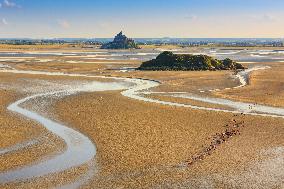
Illustration - Aerial View of France

Illustration - Aerial View of France

FRANCE. NORMANDY. MANCHE (50) AERIAL VIEW OF THE BAY OF MONT-SAINT-MICHEL. THE UNIQUE EXPERIENCE, CROSSING THE BAY AT HIGH LOW TIDE Photo by Jerome Houyvet/Only France/ABACAPRESS.COM

  •  
Osaka Expo - Osaka

Osaka Expo - Osaka

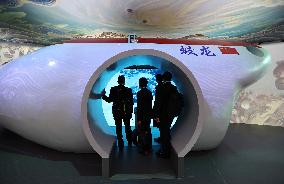
People visit the "Jiaolong" deep-sea submersible experience capsule in the China Pavilion at the Osaka Expo in Osaka, Japan, April 13, 2025. The China Pavilion officially opened on Sunday at the Osaka Expo, with an opening ceremony held in front of the pavilion's main building, which is designed to resemble a traditional Chinese scroll. Inspired by traditional Chinese calligraphy scrolls, the pavilion's architectural design embodies the theme of "Building a Community of Life for Man and Nature -- Future Society of Green Development." Osaka Expo 2025 will run from April 13 to October 13, 2025. The China Pavilion, one of the largest foreign self-built pavilions at the event, covers approximately 3,500 square meters. Photo by Xinhua/Jia Haocheng/ABACAPRESS.COM

  •  

China: Vehicle Encounters Severe Sandstorm On Highway In Guazhou, Gansu

On September 21, 2024, in Guazhou, Gansu Province, northwestern China, a video captured a vehicle encountering a severe sandstorm on a fast-moving highway. The sky was filled with thick, swirling yellow dust, making visibility extremely poor as waves of sand swept across the road. As the vehicle pushed through the storm, the view became entirely engulfed in yellow, obscuring everything in sight. The filmer later reflected on the experience, expressing relief at having made it through safely, saying, "Looking back at this video, it felt incredibly dangerous."

  •  
Chinese Experience in Desert Controi

Chinese Experience in Desert Controi

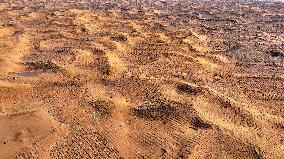
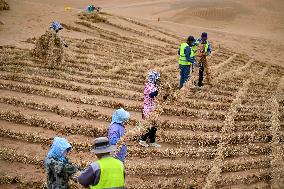
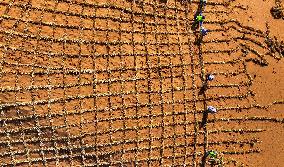
An aerial drone photo take on May 30, 2024 shows straw checkerboards paved in the Tengger Desert in Zhongwei City, northwest China's Ningxia Hui Autonomous Region. Photo by Feng Kaihua/Xinhua/ABACAPRESS.COM

  •  
Chinese Experience in Desert Controi

Chinese Experience in Desert Controi

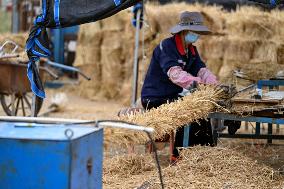
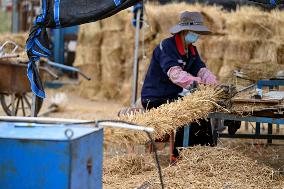
A worker uses a machine to make brush-like straw cable, the material for an enhanced version of straw checkerboards, in Zhongwei City, northwest China's Ningxia Hui Autonomous Region, May 29, 2024. Photo by Feng Kaihua/Xinhua/ABACAPRESS.COM

  •  
Chinese Experience in Desert Controi

Chinese Experience in Desert Controi

Workers set up straw checkerboards in Zhongwei, northwest China's Ningxia Hui Autonomous Region, Sept. 24, 1994. In the 1950s, to protect China's first railway that runs through a desert, the city of Zhongwei embarked on a journey of desert mitigation. Scientists at the Shapotou Desert Research and Experiment Station, part of the Northwest Institute of Eco-Environment and Resources of the Chinese Academy of Sciences, along with local residents, developed straw checkerboards to stabilize the sand and prevent dunes from shifting. Tang Ximing, a senior engineer at a state-owned forestry farm in Zhongwei, crafted a steel tool that differs from regular shovels by featuring two horizontal bars at the front tip. This innovative tool enables the planting of seedling roots 50 centimeters deep into the moist sand layer. This simple tool increases the survival rate of afforestation by 25 percent to over 85 percent. It has been widely promoted and used in afforestation projects across other regions in northern China. In

  •  
Chinese Experience in Desert Controi

Chinese Experience in Desert Controi

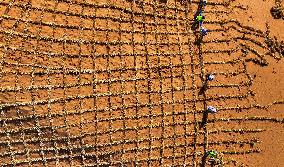
An aerial drone photo take on May 30, 2024 shows workers paving an enhanced version of straw checkerboards in the Tengger Desert in Zhongwei City, northwest China's Ningxia Hui Autonomous Region. Photo by Feng Kaihua/Xinhua/ABACAPRESS.COM

  •  
Chinese Experience in Desert Controi

Chinese Experience in Desert Controi

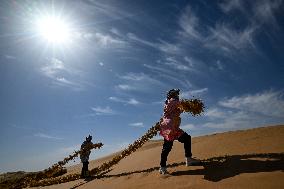
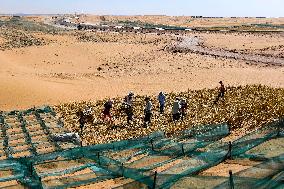
Workers pave straw checkerboards in the Tengger Desert, in Zhongwei of northwest China's Ningxia Hui Autonomous Region, May 29, 2024. In the 1950s, to protect China's first railway that runs through a desert, the city of Zhongwei embarked on a journey of desert mitigation. Scientists at the Shapotou Desert Research and Experiment Station, part of the Northwest Institute of Eco-Environment and Resources of the Chinese Academy of Sciences, along with local residents, developed straw checkerboards to stabilize the sand and prevent dunes from shifting. Tang Ximing, a senior engineer at a state-owned forestry farm in Zhongwei, crafted a steel tool that differs from regular shovels by featuring two horizontal bars at the front tip. This innovative tool enables the planting of seedling roots 50 centimeters deep into the moist sand layer. This simple tool increases the survival rate of afforestation by 25 percent to over 85 percent. It has been widely promoted and used in afforestation projects across other regions i

  •  
Chinese Experience in Desert Controi

Chinese Experience in Desert Controi

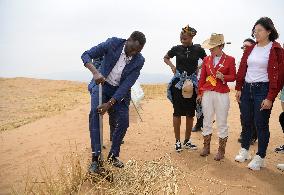
An overseas student (1st L) from Peking University tries paving straw checkerboards in the Tengger Desert in Zhongwei City, northwest China's Ningxia Hui Autonomous Region, May 31, 2024. Photo by Feng Kaihua/Xinhua/ABACAPRESS.COM

  •  
Chinese Experience in Desert Controi

Chinese Experience in Desert Controi

Workers pave straw checkerboards in the Tengger Desert, in Zhongwei of northwest China's Ningxia Hui Autonomous Region, May 30, 2024. In the 1950s, to protect China's first railway that runs through a desert, the city of Zhongwei embarked on a journey of desert mitigation. Scientists at the Shapotou Desert Research and Experiment Station, part of the Northwest Institute of Eco-Environment and Resources of the Chinese Academy of Sciences, along with local residents, developed straw checkerboards to stabilize the sand and prevent dunes from shifting. Tang Ximing, a senior engineer at a state-owned forestry farm in Zhongwei, crafted a steel tool that differs from regular shovels by featuring two horizontal bars at the front tip. This innovative tool enables the planting of seedling roots 50 centimeters deep into the moist sand layer. This simple tool increases the survival rate of afforestation by 25 percent to over 85 percent. It has been widely promoted and used in afforestation projects across other regions i

  •  
Chinese Experience in Desert Controi

Chinese Experience in Desert Controi

Workers produce straw checkerboard materials in Zhongwei of northwest China's Ningxia Hui Autonomous Region, May 29, 2024. In the 1950s, to protect China's first railway that runs through a desert, the city of Zhongwei embarked on a journey of desert mitigation. Scientists at the Shapotou Desert Research and Experiment Station, part of the Northwest Institute of Eco-Environment and Resources of the Chinese Academy of Sciences, along with local residents, developed straw checkerboards to stabilize the sand and prevent dunes from shifting. Tang Ximing, a senior engineer at a state-owned forestry farm in Zhongwei, crafted a steel tool that differs from regular shovels by featuring two horizontal bars at the front tip. This innovative tool enables the planting of seedling roots 50 centimeters deep into the moist sand layer. This simple tool increases the survival rate of afforestation by 25 percent to over 85 percent. It has been widely promoted and used in afforestation projects across other regions in northern

  •  
Chinese Experience in Desert Controi

Chinese Experience in Desert Controi

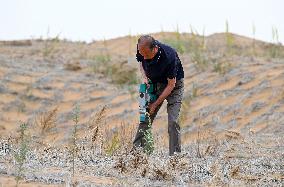
Tang Ximing, a senior engineer at a state-owned forestry farm in Zhongwei, demonstrates an upgraded electric seedling planter invented by himself in northwest China's Ningxia Hui Autonomous Region, June 1, 2024. In the 1950s, to protect China's first railway that runs through a desert, the city of Zhongwei embarked on a journey of desert mitigation. Scientists at the Shapotou Desert Research and Experiment Station, part of the Northwest Institute of Eco-Environment and Resources of the Chinese Academy of Sciences, along with local residents, developed straw checkerboards to stabilize the sand and prevent dunes from shifting. Tang Ximing, a senior engineer at a state-owned forestry farm in Zhongwei, crafted a steel tool that differs from regular shovels by featuring two horizontal bars at the front tip. This innovative tool enables the planting of seedling roots 50 centimeters deep into the moist sand layer. This simple tool increases the survival rate of afforestation by 25 percent to over 85 percent. It has

  •  
Chinese Experience in Desert Controi

Chinese Experience in Desert Controi

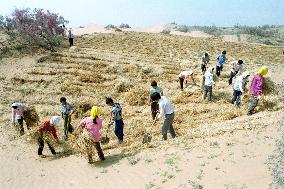
Workers set up straw checkerboards in Zhongwei, northwest China's Ningxia Hui Autonomous Region, June 13, 2019. In the 1950s, to protect China's first railway that runs through a desert, the city of Zhongwei embarked on a journey of desert mitigation. Scientists at the Shapotou Desert Research and Experiment Station, part of the Northwest Institute of Eco-Environment and Resources of the Chinese Academy of Sciences, along with local residents, developed straw checkerboards to stabilize the sand and prevent dunes from shifting. Tang Ximing, a senior engineer at a state-owned forestry farm in Zhongwei, crafted a steel tool that differs from regular shovels by featuring two horizontal bars at the front tip. This innovative tool enables the planting of seedling roots 50 centimeters deep into the moist sand layer. This simple tool increases the survival rate of afforestation by 25 percent to over 85 percent. It has been widely promoted and used in afforestation projects across other regions in northern China. In 2

  •  
Chinese Experience in Desert Controi

Chinese Experience in Desert Controi

An aerial drone photo taken on Sept. 7, 2020 shows workers paving straw checkerboards near a section of an express way in the Tengger Desert, northwest China's Ningxia Hui Autonomous Region. In the 1950s, to protect China's first railway that runs through a desert, the city of Zhongwei embarked on a journey of desert mitigation. Scientists at the Shapotou Desert Research and Experiment Station, part of the Northwest Institute of Eco-Environment and Resources of the Chinese Academy of Sciences, along with local residents, developed straw checkerboards to stabilize the sand and prevent dunes from shifting. Tang Ximing, a senior engineer at a state-owned forestry farm in Zhongwei, crafted a steel tool that differs from regular shovels by featuring two horizontal bars at the front tip. This innovative tool enables the planting of seedling roots 50 centimeters deep into the moist sand layer. This simple tool increases the survival rate of afforestation by 25 percent to over 85 percent. It has been widely promoted

  •  
Chinese Experience in Desert Controi

Chinese Experience in Desert Controi

An aerial drone photo taken on May 30, 2024 shows workers paving straw checkerboards in the Tengger Desert, in Zhongwei of northwest China's Ningxia Hui Autonomous Region. In the 1950s, to protect China's first railway that runs through a desert, the city of Zhongwei embarked on a journey of desert mitigation. Scientists at the Shapotou Desert Research and Experiment Station, part of the Northwest Institute of Eco-Environment and Resources of the Chinese Academy of Sciences, along with local residents, developed straw checkerboards to stabilize the sand and prevent dunes from shifting. Tang Ximing, a senior engineer at a state-owned forestry farm in Zhongwei, crafted a steel tool that differs from regular shovels by featuring two horizontal bars at the front tip. This innovative tool enables the planting of seedling roots 50 centimeters deep into the moist sand layer. This simple tool increases the survival rate of afforestation by 25 percent to over 85 percent. It has been widely promoted and used in affores

  • Main
  • Top
  • Editorial
  • Creative
  • About Us
  • About ILG
  • Terms of use
  • Company
  • BEHIND
  • Price List
  • Single Plan
  • Monthly Plan
  • Services
  • Shooting
  • Rights Clearance
  • Support
  • FAQ
  • How To Buy
  • Contact Us
  • Become a Partner

© KYODO NEWS IMAGES INC

All Rights Reserved.

  • Editorial
  • Olympics
  • News
  • Sports
  • Japan
  • Tech
  • Royal
  • Disaster
  • NorthKorea
  • Old Japan
  • SNS
  • Creative
  • Food
  • Japan
  • Landscape
  • Animal
  • Popular
  • #Ukraine
  • #Thailand
  • #coronavirus
  • #N. Korea
  • #Russia
  • #China
  • #Ukraine
  • #Thailand
  • #coronavirus
  • #N. Korea
  • #Russia
  • #China
  • Food
  • Japan
  • Landscape
  • Animal
  • Olympics
  • News
  • Sports
  • Japan
  • Tech
  • Royal
  • Disaster
  • NorthKorea
  • Old Japan
  • SNS